Caring for a loved one with dementia can be challenging. Learn practical strategies to create a safe, supportive environment and improve quality of life for both the person and their carer.
Dementia affects memory, thinking, and behaviour. It's essential to understand the condition and adapt your approach as it progresses. Creating routines, ensuring safety, and maintaining open communication are key strategies for effective caring.
Understanding dementia is the first step toward providing compassionate care. This progressive neurological condition affects each person differently, and early recognition of changes in behaviour or cognitive ability can help families prepare for the journey ahead.
Creating a safe home environment is crucial. Remove hazards, install proper lighting, use labels to help with memory, and establish clear routines. Many people with dementia thrive when their environment is predictable and free from overwhelming stimuli.
Communication strategies are vital. Use simple, clear language, give one instruction at a time, and always maintain a calm, patient demeanor. Never argue about facts or correct them aggressively, as this can cause unnecessary distress.
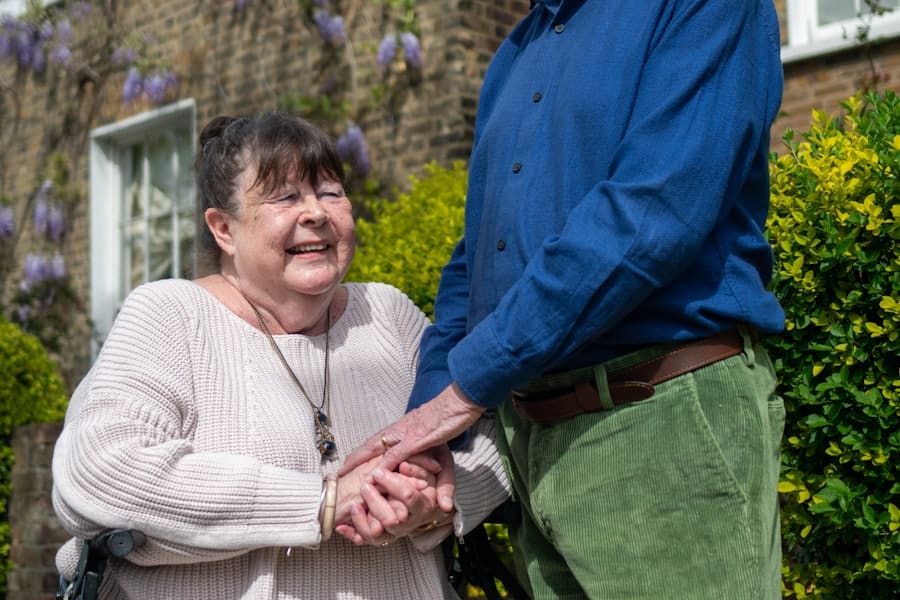
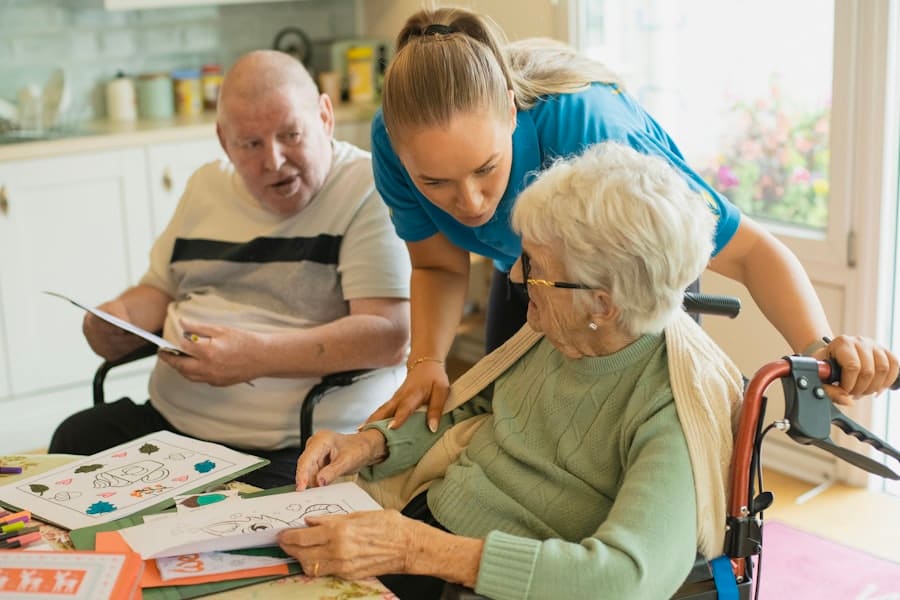
Emotional support matters as much as physical care. Spend quality time together, engage in activities they enjoy, and validate their feelings even if their recollections aren't accurate. Your presence and patience are often more valuable than correcting details.
Don't forget about respite care. Carer burnout is real, and taking breaks is essential for your own wellbeing. Regular breaks will help you be a better, more patient carer.
Finally, seek support from professionals and support groups. Many communities have dementia care specialists, and connecting with other carers who understand the challenges can be incredibly helpful.